
Easy Gochujang Broccoli is a quick and flavorful Korean-inspired side dish that turns everyday broccoli into something exciting, colorful, and crave-worthy. With a spicy-sweet gochujang sauce, a touch of garlic and ginger, and a glossy sesame finish, this recipe is perfect for busy weeknights, healthy meal prep, or upgrading simple dinners with bold flavor.
Why You’ll Love This Easy Gochujang Broccoli
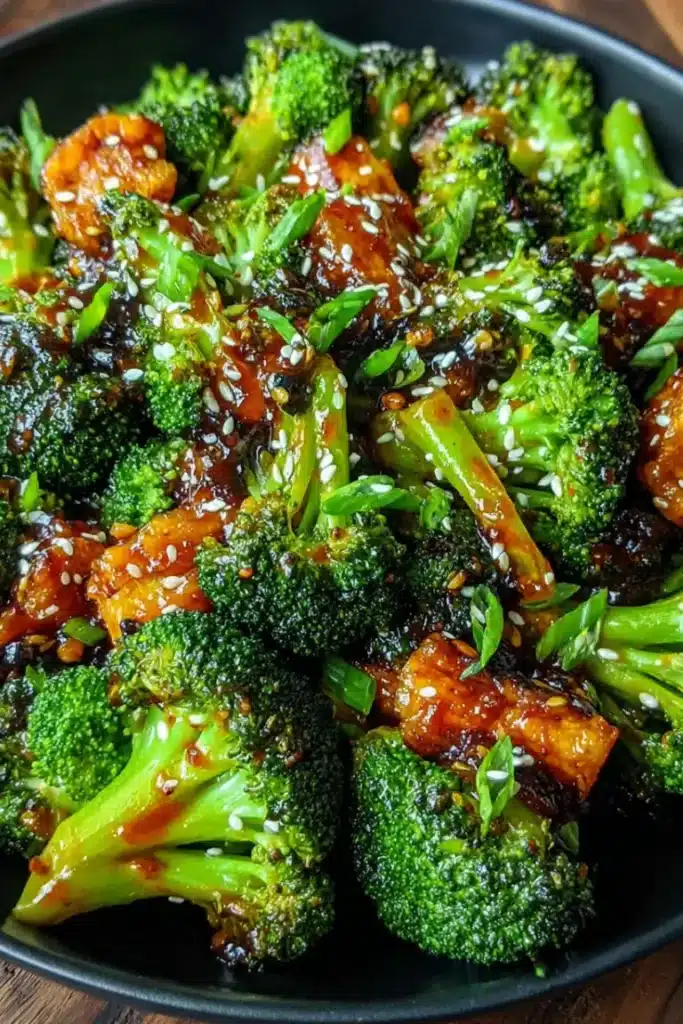
This Easy Gochujang Broccoli recipe checks all the right boxes for home cooks who want big flavor with minimal effort. It is fast, flexible, and made with ingredients that are easy to find in most grocery stores.
First, it is incredibly quick. From start to finish, this dish takes about 20 minutes, making it ideal for weeknight dinners or last minute side dishes. You can steam, roast, or stir fry the broccoli depending on your preference and the time you have.
Second, the flavor balance is outstanding. Gochujang brings gentle heat and depth, while soy sauce adds savory richness, rice vinegar adds brightness, and a touch of honey or maple syrup rounds everything out with subtle sweetness. The result is bold without being overpowering.
Finally, this dish is naturally plant based and easy to adapt. It pairs well with rice bowls, noodles, grilled chicken, tofu, or fish. You can also swap in other vegetables if broccoli is not available.
Ingredients for Easy Gochujang Broccoli
Main Ingredients
- 1 1/2 lb fresh broccoli florets
- 1 tbsp neutral cooking oil like avocado or vegetable oil
- 1 tsp sesame oil
Gochujang Sauce
- 2 tbsp gochujang Korean chili paste
- 1 tbsp soy sauce or tamari
- 1 tbsp rice vinegar
- 1 tbsp honey or maple syrup
- 2 cloves garlic, minced
- 1 tsp fresh ginger, grated
- 2 to 3 tbsp water or vegetable broth, as needed
Optional Garnishes
- 1 tsp sesame seeds
- Sliced green onions
- Lime wedges
Ingredient Notes and Substitutions
Gochujang
Gochujang is a fermented Korean chili paste that is savory, slightly sweet, and mildly spicy. Heat levels vary by brand, so start with less if you are sensitive to spice.
Soy Sauce
Use tamari or coconut aminos for a gluten free option. Both work well without changing the flavor too much.
Sweetener
Honey adds a gentle floral sweetness, while maple syrup keeps the recipe fully plant based. Either option works well.
Oil Choices
Use a neutral oil for cooking and finish with sesame oil for aroma. Do not replace all the oil with sesame oil, as it has a strong flavor.
Broccoli Alternatives
Cauliflower, green beans, Brussels sprouts, or snap peas can be used instead of broccoli with the same sauce.
Step-by-Step Instructions
Step 1: Prepare the Broccoli
Wash the broccoli thoroughly and cut it into bite sized florets. Try to keep the pieces similar in size so they cook evenly. If the stems are thick, peel and slice them thinly instead of discarding them.
Step 2: Cook the Broccoli
Choose one of the following methods based on your preference.
Steaming:
Steam the broccoli for 4 to 5 minutes until bright green and tender crisp.
Roasting:
Toss broccoli with 1 tbsp oil and roast at 425°F for 15 to 18 minutes, flipping once.
Stir Frying:
Heat oil in a large skillet over medium high heat. Add broccoli and cook for 5 to 7 minutes, stirring frequently.
Set the cooked broccoli aside.
Step 3: Make the Gochujang Sauce
In a small bowl, whisk together gochujang, soy sauce, rice vinegar, honey or maple syrup, garlic, ginger, and water or broth until smooth. Adjust thickness by adding more liquid if needed.
Step 4: Combine and Simmer
Return the skillet to medium heat. Add the sauce and let it warm for about 30 seconds. Add the broccoli and toss well until evenly coated. Cook for 1 to 2 minutes until the sauce thickens slightly and clings to the broccoli.
Step 5: Finish and Serve
Remove from heat and drizzle with sesame oil. Sprinkle with sesame seeds and green onions if desired. Serve immediately while warm.
Pro Tips for Success
- Cut broccoli into uniform pieces for even cooking
- Do not overcook the broccoli or it will lose its vibrant color
- Taste the sauce before adding it to adjust sweetness or spice
- Add water slowly to avoid thinning the sauce too much
- Use a wide skillet so the broccoli sautés instead of steams
Flavor Variations
- Extra Spicy: Add 1/2 tsp chili flakes or a splash of chili garlic sauce
- Garlicky: Increase garlic to 4 cloves for stronger flavor
- Citrus Twist: Add 1 tsp fresh lime juice at the end
- Nutty: Stir in 1 tsp peanut butter for a richer sauce
- Protein Boost: Toss with crispy tofu, chickpeas, or edamame
Serving Suggestions
Easy Gochujang Broccoli is extremely versatile and pairs well with many meals. Serve it over steamed white or brown rice for a simple bowl. It also works beautifully alongside noodles, fried rice, or quinoa.
For a heartier meal, pair it with grilled chicken, baked salmon, or pan seared tofu. It can also be served as part of a Korean inspired spread with cucumber salad, rice, and roasted vegetables.
Leftovers make a great topping for wraps, grain bowls, or lunch boxes.
Storage and Freezing Instructions
Store leftover Easy Gochujang Broccoli in an airtight container in the refrigerator for up to 4 days. Reheat gently in a skillet or microwave until warmed through.
Freezing is not recommended, as broccoli can become mushy after thawing. If you plan to meal prep, store the sauce separately and combine just before serving.
Nutrition Facts (Per Serving)
| Nutrient | Amount |
|---|---|
| Calories | 140 |
| Protein | 5 g |
| Carbohydrates | 16 g |
| Fat | 7 g |
| Fiber | 4 g |
| Sodium | 420 mg |
Values are estimates and will vary based on ingredients used.
FAQ About Easy Gochujang Broccoli
Is gochujang very spicy?
Gochujang is generally mild to medium in heat. It adds more depth than intense spice. You can reduce the amount or add extra sweetener if you prefer a gentler flavor.
Can I make this recipe vegan?
Yes, simply use maple syrup instead of honey and choose a plant-based soy sauce or tamari. The rest of the ingredients are already vegan-friendly.
Can I use frozen broccoli?
Fresh broccoli works best for texture, but frozen can be used in a pinch. Thaw and pat dry before cooking to avoid excess moisture.
What can I substitute for rice vinegar?
Apple cider vinegar or white wine vinegar can be used as substitutes. Use slightly less and adjust to taste.
Can I make the sauce ahead of time?
Yes, the sauce can be made up to 5 days in advance and stored in the refrigerator. Stir well before using.
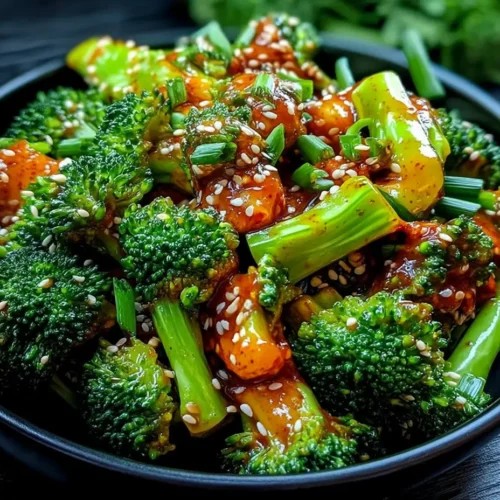
Easy Gochujang Broccoli

Equipment
- large skillet or pan
- mixing bowl
- whisk
- cutting board
- knife
Ingredients
- 1 1/2 lb fresh broccoli florets
- 1 tbsp neutral cooking oil (avocado or vegetable oil)
- 1 tsp sesame oil
- 2 tbsp gochujang Korean chili paste
- 1 tbsp soy sauce or tamari
- 1 tbsp rice vinegar
- 1 tbsp honey or maple syrup
- 2 garlic cloves, minced
- 1 tsp fresh ginger, grated
- 2–3 tbsp water or vegetable broth
- 1 tsp sesame seeds (optional)
- sliced green onions (optional)
- lime wedges (optional)
Instructions
- Wash the broccoli thoroughly and cut it into bite-sized florets, keeping pieces similar in size so they cook evenly. Peel and thinly slice thick stems if needed.
- Cook the broccoli using your preferred method: steam for 4–5 minutes until tender-crisp, roast at 425°F for 15–18 minutes tossing once, or stir-fry in oil over medium-high heat for 5–7 minutes. Set aside.
- In a small bowl, whisk together gochujang, soy sauce, rice vinegar, honey or maple syrup, garlic, ginger, and water or broth until smooth.
- Return the skillet to medium heat, add the sauce, and warm for about 30 seconds. Add the broccoli and toss to coat evenly, cooking 1–2 minutes until the sauce thickens slightly.
- Remove from heat, drizzle with sesame oil, and garnish with sesame seeds and green onions if desired. Serve warm.
Notes
Nutrition
Final Thoughts
Easy Gochujang Broccoli is proof that simple ingredients can create big, exciting flavor. With its spicy sweet glaze, crisp tender texture, and endless pairing options, this dish deserves a regular spot in your meal rotation. Whether you are new to Korean flavors or already love gochujang, this recipe is an easy, reliable way to bring bold taste to the table.