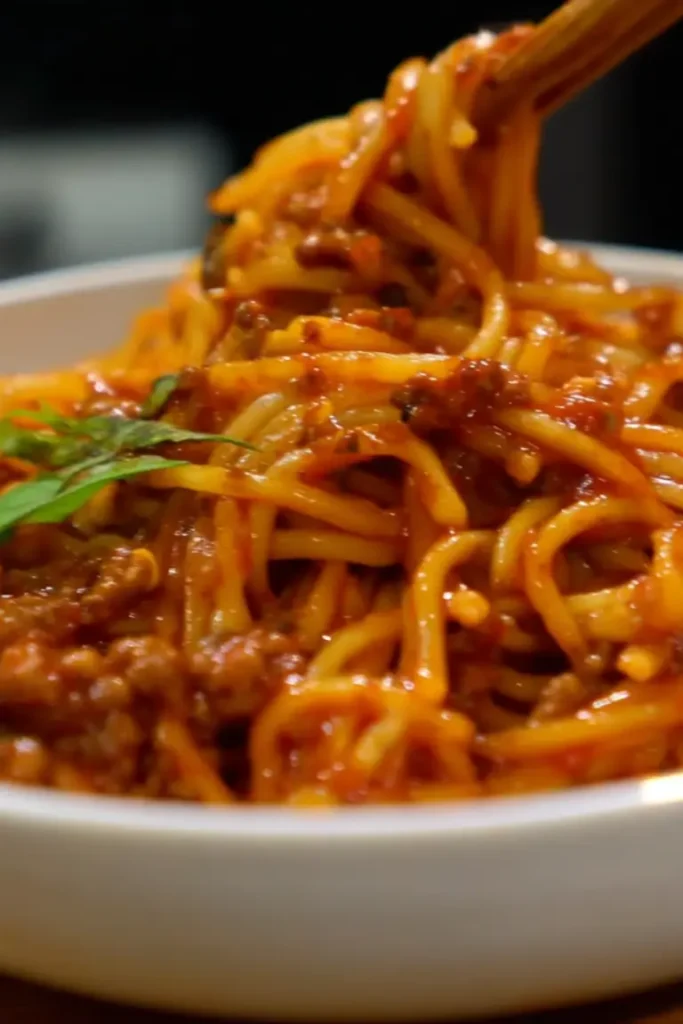
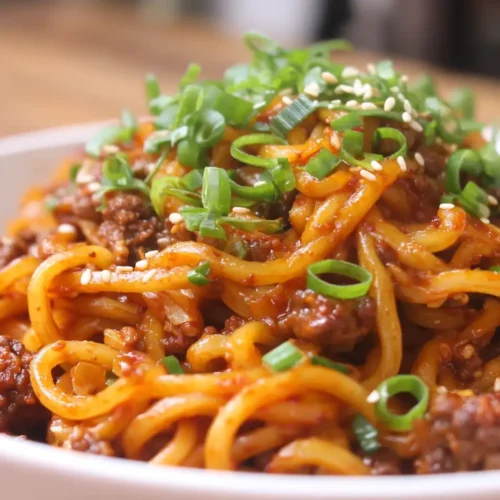
If you are craving a bold, comforting, and quick dinner, these Easy Korean Gochujang Noodles are exactly what you need. This recipe delivers a perfect balance of spicy, savory, and slightly sweet flavors, all wrapped around tender noodles and a rich, glossy sauce that comes together in just 30 minutes.
Inspired by Korean pantry staples but adapted for everyday home cooking, this dish is approachable, flexible, and incredibly satisfying. Whether you make it with ground meat, tofu, or extra vegetables, it is the kind of meal that feels exciting without being complicated.
Why You’ll Love This Korean Gochujang Noodles Recipe
This recipe checks all the right boxes for busy weeknights and cozy weekends alike.
First, it is quick and easy. From start to finish, you can have dinner on the table in about 30 minutes with minimal prep and simple steps.
Second, the flavor is bold but balanced. Gochujang brings heat and deep umami, while soy sauce, a touch of sweetness, and rice vinegar round everything out so the dish never feels overwhelming.
Third, it is highly customizable. You can adjust the spice level, swap proteins, change the noodles, or load it up with vegetables based on what you have on hand.
Finally, it is family-friendly. You can easily tone down the heat for kids or spice lovers alike, making this one recipe work for everyone at the table.
Ingredients for Korean Gochujang Noodles
This dish uses simple, easy-to-find ingredients that come together to create an incredibly flavorful sauce.
Noodles
- 12 ounces noodles of choice (rice noodles, ramen, udon, or spaghetti)
Protein
- 1 pound ground turkey, ground chicken, or ground beef
Gochujang Sauce
- 1/4 cup gochujang paste
- 2 tablespoons low sodium soy sauce or tamari
- 2 tablespoons tomato paste
- 2 tablespoons honey or brown sugar
- 1 tablespoon rice vinegar
- 1 tablespoon toasted sesame oil
- 1/4 cup coconut cream or full-fat coconut milk (optional for creaminess)
- 3 cloves garlic, minced
- 1 teaspoon fresh grated ginger
- 1/4 to 1/2 teaspoon red pepper flakes, to taste
Garnish
- Sliced green onions
- Sesame seeds
- Fresh cilantro, optional
Ingredient Notes and Substitutions
Gochujang: This Korean chili paste is thick, spicy, and slightly sweet. If you are new to it, start with the recommended amount and adjust after tasting.
Protein swaps: Ground turkey and chicken are lighter options, while ground beef adds richness. For a vegetarian version, use crumbled extra-firm tofu, mushrooms, or a plant-based ground alternative.
Sweetener: Honey and brown sugar both work well. Maple syrup is another good option if you prefer.
Noodles: Rice noodles are naturally gluten-free. Ramen, udon, or even spaghetti also work beautifully if that is what you have available.
Coconut cream: This is optional but highly recommended if you want a smoother, slightly creamy sauce that balances the spice.
Step-by-Step Instructions
Step 1: Cook the Noodles
Bring a large pot of salted water to a boil. Cook the noodles according to package instructions until just tender. Drain and rinse briefly with cool water to prevent sticking. Set aside.
Step 2: Cook the Protein
Heat a large skillet over medium heat. Add the ground meat and cook, breaking it apart with a spoon, until fully cooked and lightly browned. This usually takes about 6 to 8 minutes. Drain excess fat if needed.
Step 3: Make the Gochujang Sauce
In a bowl, whisk together the gochujang, soy sauce, tomato paste, honey or brown sugar, rice vinegar, sesame oil, coconut cream if using, garlic, ginger, and red pepper flakes. Taste and adjust sweetness or spice as desired.
Step 4: Combine Everything
Add the cooked noodles to the skillet with the meat. Pour about half of the sauce over the noodles and toss gently to coat. Add the remaining sauce and continue tossing until everything is evenly coated and warmed through.
Step 5: Serve and Garnish
Remove from heat and serve immediately. Top with sliced green onions, sesame seeds, and cilantro if desired.
Pro Tips for Success
- Use a large skillet or wok so the noodles can toss easily without breaking.
- Cook noodles just until tender to avoid a mushy texture once combined with sauce.
- Taste the sauce before adding it all. Gochujang brands vary in spice level.
- Add a splash of pasta water if the sauce feels too thick.
- For extra flavor, lightly toast the sesame seeds before garnishing.
- Let the noodles sit for one minute before serving so the sauce fully coats them.
Flavor Variations
- Extra Spicy: Add more red pepper flakes or a spoonful of chili garlic sauce.
- Veggie Loaded: Stir in bell peppers, spinach, zucchini, or shredded carrots.
- Peanut Twist: Add 1 to 2 tablespoons of natural peanut butter to the sauce.
- Citrusy Finish: Finish with a squeeze of fresh lime juice.
- Garlic Lovers: Add an extra clove or two of garlic to the sauce.
Serving Suggestions
These Korean gochujang noodles are a complete meal on their own, but they also pair well with simple sides.
Serve with a crisp cucumber salad, steamed broccoli, or roasted green beans for balance. A soft-boiled or fried egg on top also makes a delicious addition and adds extra protein.
Storage and Freezing Instructions
Refrigerator: Store leftovers in an airtight container for up to 4 days.
Reheating: Reheat gently on the stovetop or in the microwave with a splash of water to loosen the sauce.
Freezing: While best enjoyed fresh, leftovers can be frozen for up to 2 months. Thaw overnight in the refrigerator before reheating.
Nutrition Facts (Per Serving)
| Nutrient | Approximate Amount |
|---|---|
| Calories | 520 |
| Protein | 28 g |
| Carbohydrates | 55 g |
| Fat | 22 g |
| Fiber | 4 g |
| Sodium | 780 mg |
Values are estimates and will vary based on ingredients used.
FAQ About Korean Gochujang Noodles
What does gochujang taste like?
Gochujang is spicy, savory, slightly sweet, and deeply umami. It is less sharp than hot sauce and more complex than chili paste.
Can I make this dish less spicy?
Yes. Reduce the amount of gochujang slightly and skip the red pepper flakes. Adding coconut cream also helps mellow the heat.
Are Korean gochujang noodles gluten-free?
They can be. Use gluten-free noodles and tamari instead of soy sauce to make the dish fully gluten-free.
Can I make this recipe vegetarian?
Absolutely. Swap the meat for tofu, mushrooms, or a plant-based ground option and use brown sugar instead of honey.
What noodles work best for this recipe?
Rice noodles are a great option, but ramen, udon, and spaghetti all work well. Choose what you enjoy or already have.
Easy Korean Gochujang Noodles

Equipment
- large pot for cooking noodles
- large skillet or wok
- mixing bowl
- whisk
- Tongs or spatula
Ingredients
- 12 oz noodles of choice (rice noodles, ramen, udon, or spaghetti)
- 1 lb ground turkey, chicken, or beef
- 1/4 cup gochujang paste
- 2 tbsp low sodium soy sauce or tamari
- 2 tbsp tomato paste
- 2 tbsp honey or brown sugar
- 1 tbsp rice vinegar
- 1 tbsp toasted sesame oil
- 1/4 cup coconut cream or full-fat coconut milk (optional)
- 3 cloves garlic, minced
- 1 tsp fresh ginger, grated
- 1/4–1/2 tsp red pepper flakes
- sliced green onions (for garnish)
- sesame seeds (for garnish)
- fresh cilantro (optional garnish)
Instructions
- Bring a large pot of salted water to a boil and cook the noodles according to package instructions until just tender. Drain, rinse briefly with cool water, and set aside.
- Heat a large skillet over medium heat. Add the ground meat and cook for 6 to 8 minutes, breaking it apart, until fully cooked and lightly browned. Drain excess fat if needed.
- In a bowl, whisk together gochujang, soy sauce, tomato paste, honey or brown sugar, rice vinegar, sesame oil, coconut cream if using, garlic, ginger, and red pepper flakes.
- Add the cooked noodles to the skillet with the meat. Pour in about half of the sauce and toss to coat. Add the remaining sauce and toss again until evenly coated and heated through.
- Remove from heat and serve immediately. Garnish with green onions, sesame seeds, and cilantro if desired.
Notes
Nutrition
Final Thoughts
This Easy Korean Gochujang Noodles Recipe proves that big flavor does not require complicated steps or long cooking times. With a bold sauce, tender noodles, and endless customization options, it is a meal you will come back to again and again.
Whether you are new to cooking with gochujang or already love Korean-inspired flavors, this dish is a simple, satisfying way to bring something exciting to your dinner routine.